Collector Guide Collecting & Commissions
Choosing a Photo for a Custom Pet Portrait
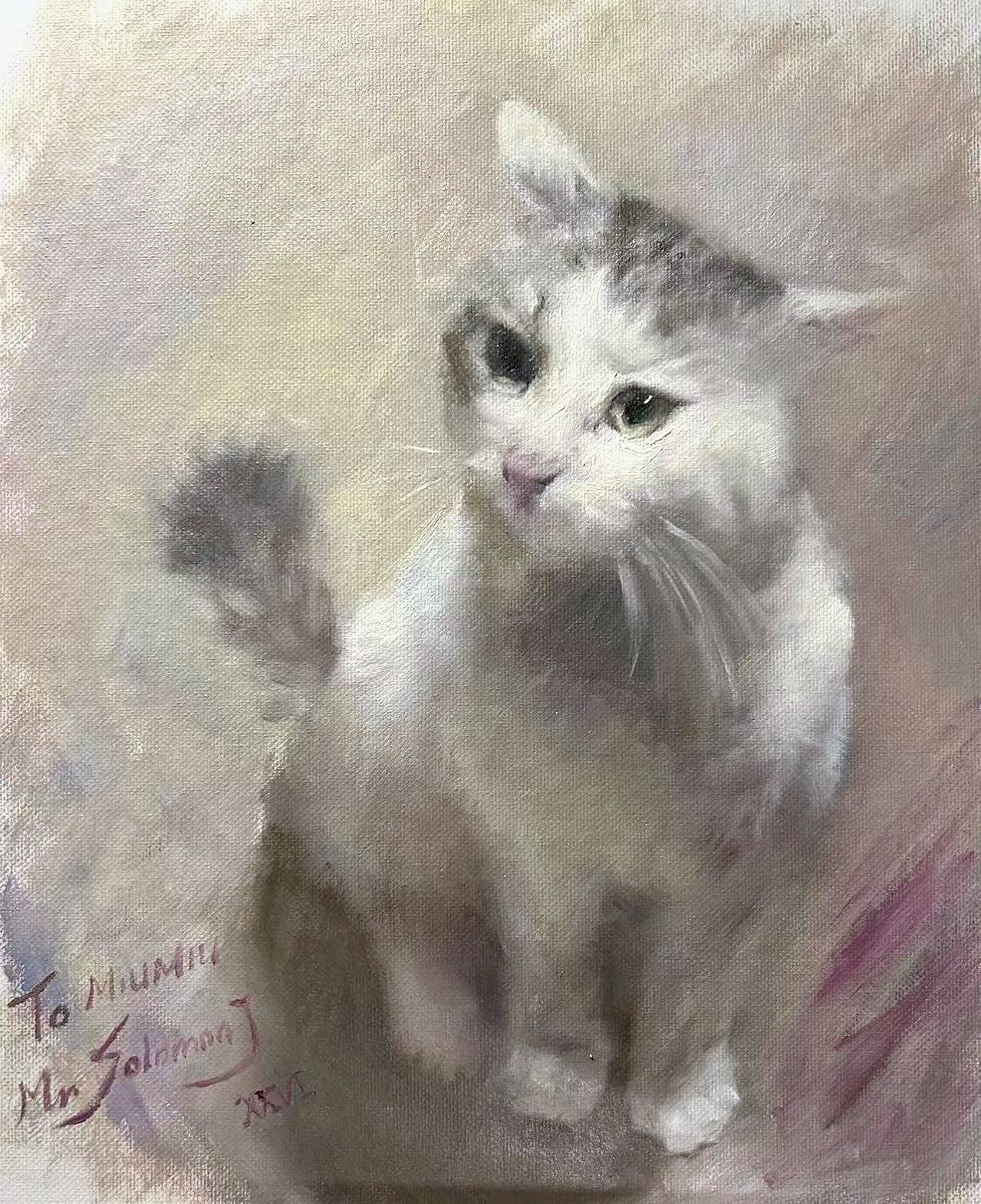
A photograph can hold a very familiar expression: the slight turn of a dog's head, a cat watching from a favourite chair, the way an animal looks towards you. When choosing a photo for a custom pet portrait, begin with that sense of recognition. Which image makes you think, “Yes, that is them”?
In this article
- 01Which expression do you recognise?
- 02What kind of light works well?
- 03Why photograph your pet at eye level?
- 04How can you check focus, colour and the original file?
- 05Which photograph should be the main reference?
- 06What if only older photographs remain?
- 07How do photographs lead to a personal proposal?
I paint pet portraits in oils from your photographs, in my studio in Florence. To consider a painting from your photographs, I need to see both the expression you care about and enough clear information to understand the animal's features. A professional photograph is not essential. Thoughtful light, a suitable viewpoint and an unhurried moment can give us a useful starting point.
Which expression do you recognise?
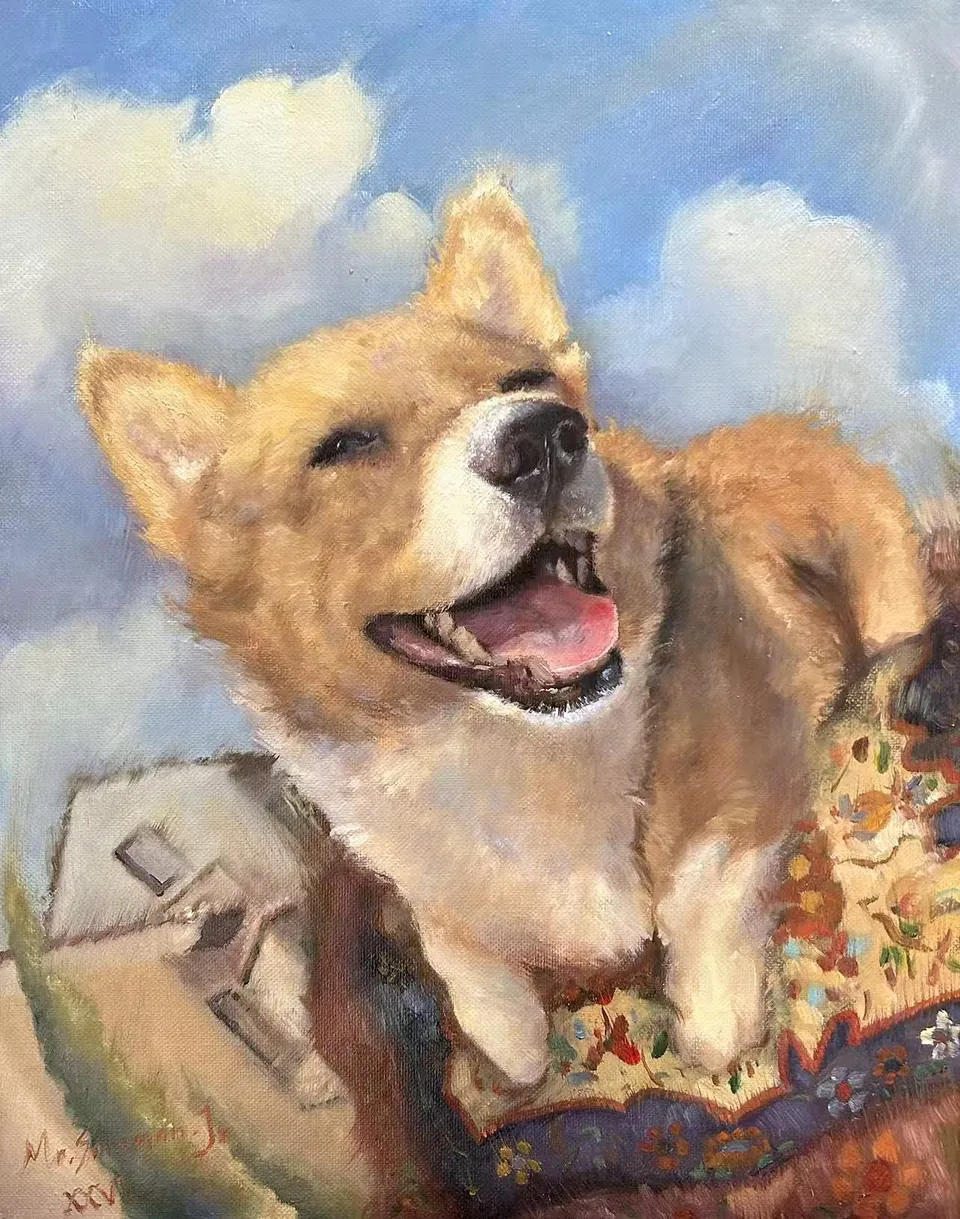
Start by looking through photographs without concentrating on technical quality. Pick out the expressions and postures that feel familiar. Perhaps your dog looks most like himself with his mouth gently open, or your cat has a particular attentive gaze. A calm photograph can be just as expressive as one taken during play.
Then look more closely at those favourites. Can you see the eyes clearly? Are the nose, ears and outline of the head readable? If the photograph you love most is unclear, keep it among your references and explain why it matters. I can assess it alongside clearer images before we decide on the main reference.
What kind of light works well?
Daylight from a window or a sheltered outdoor spot can help show the shape of the head and the colour of the coat. Look for gentle changes between light and shadow, with detail still visible on the darker side of the face. Avoid having a bright window directly behind your pet, which can leave the face too dark.
Strong midday sunlight can create hard shadows across the eyes and nose. Flash can flatten the features or cause reflections in the eyes. If you are taking new photographs, try a quieter patch of light and allow your pet to settle. There is no need to hold an uncomfortable pose or make the animal look directly at the camera.
Why photograph your pet at eye level?
A photograph taken from above can be affectionate and familiar, but it also changes how the head and body appear in relation to one another. For a straightforward portrait reference, try bringing the camera closer to your pet's eye level. Sit or crouch at a comfortable distance and leave a little space around the ears and head.
Avoid putting the phone very close to the nose. A close wide-angle view can make the muzzle look larger and the rest of the head smaller. Step back if you can, keeping the face clear in the frame. Take a few views rather than relying on a single hurried photograph; a slight turn may reveal the expression more naturally.
How can you check focus, colour and the original file?
Open your chosen image at a larger size and look at the eyes, the edges of the ears and the markings around the muzzle. These should remain reasonably clear. A small thumbnail can seem sharp even when the original photograph is blurred. If several images are available, compare them before choosing.
Please send the original file when possible, rather than a screenshot or an image repeatedly forwarded through messaging apps. Keep an uncropped copy as well: space around the animal may be useful when considering the composition. There is no need to edit the background before you send it.
Avoid beauty filters, colour effects and heavy sharpening. These can change fur colour, soften distinctive features or introduce false detail. Portrait-mode blur can also cut into whiskers or ears. If you have an edited favourite, include the unedited version too. I would rather assess the information the camera recorded than rely on features added by an editing tool.
Which photograph should be the main reference?
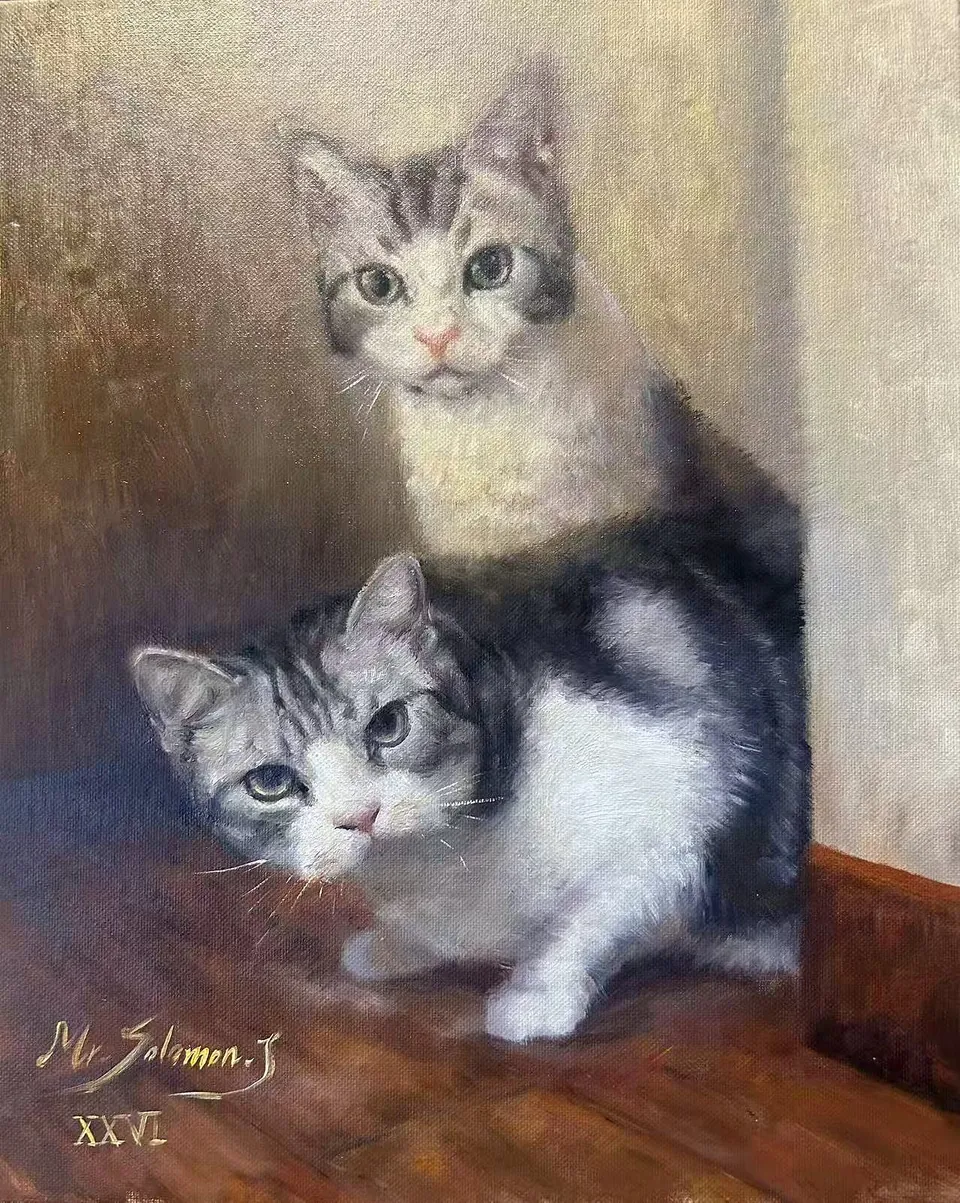
Choose one photograph as the proposed main view. This gives the discussion a clear starting point for the position of the head, direction of the gaze and overall light. Add a few supporting images that answer specific questions: the colour of the eyes, a marking partly hidden in the main view, or the shape of an ear.
Tell me which photograph you prefer and what you value in it. A short note can explain which image best shows the expression and which more accurately records the coat colour. Supporting images help me assess the references; combining different poses or lighting conditions needs consideration before a composition is agreed.
What if only older photographs remain?
If you are considering a portrait in memory of an animal, you may have a small collection of older photographs and no opportunity to take more. You are welcome to share those images and tell me which feels most meaningful. If you have the original digital files, include them; for printed photographs, a clear scan may provide more information than a phone photograph of the print.
I need to assess the available material before confirming whether it can support a painting. A blurred or very small image may leave important features unclear, and additional references may not resolve every gap. You do not need to decide on suitability yourself. Send what you have, without trying to reconstruct missing details, and we can discuss the possibilities carefully.
How do photographs lead to a personal proposal?
You can see examples on my pet portraits page. Each pet portrait is quoted individually. The reference material, composition and size need to be considered together before the details are agreed. Availability and the expected schedule are confirmed individually, so please mention any meaningful date when you first write.
For your pet portrait inquiry, send your preferred photograph, a few useful references and a short note about your animal. Include any thoughts about size or where the painting will hang. If you are unsure which image to choose, say so. The first step is to look at the photographs together and establish a clear, considered starting point for the portrait.