Technique Guide Classical Technique
Bargue Drawing Online: How the Course Works
For more than a century, academic ateliers have started students on the same set of drawings: the Bargue plates. They train the eye before the hand, and they can be studied seriously online.
In this article
Bargue Drawing is the first of my five live online classes, taught from my studio in Florence. It is where I recommend almost everyone begins, whether you have never studied drawing formally or want to rebuild your foundation. This guide explains what the course covers and how the lessons run.
What are the Bargue plates?
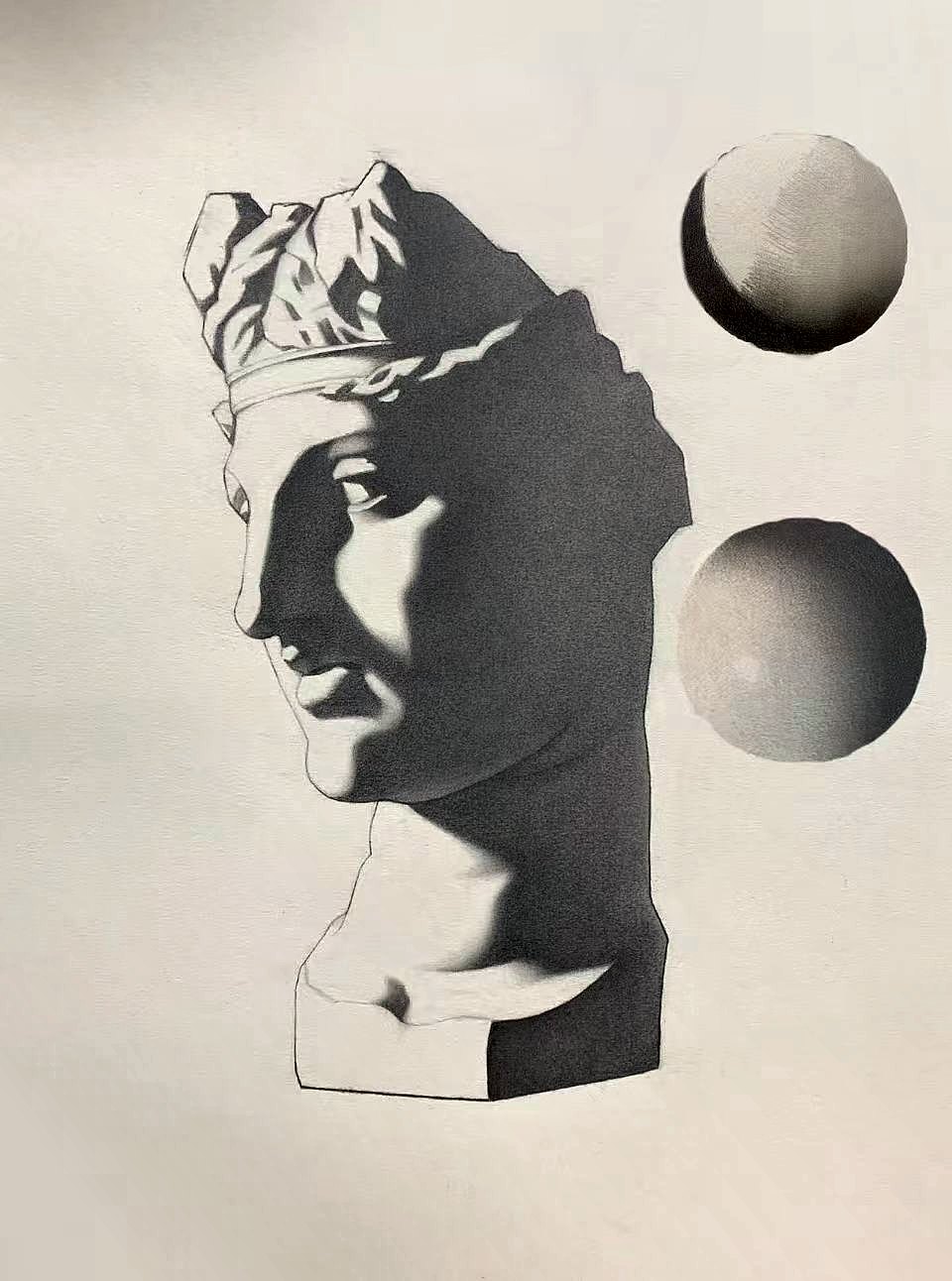
The Bargue drawing course was published in nineteenth-century France by Charles Bargue, working with the painter Jean-Léon Gérôme. Its plates progress from simple casts of features to full figures, each drawn with clear contours and simplified light and shadow. Copying them teaches you to see proportion, shape and value the way academic painters did.
The plates are still used in classical ateliers today, including in Florence, because they isolate the skills that matter before colour or style come into play.
What will you study?
The course focuses on four skills: sight-size measurement, contour and proportional accuracy, value simplification, and shape comparison and spatial judgment. You learn to compare angles and distances, find the big shapes first, and refine only once the structure is right.
Alongside the core lessons there are two bonus masterclasses, on the fundamentals of chiaroscuro and on classical figure gesture drawing.
How do the online lessons run?
The class runs over eight live lessons of two hours each, usually weekly, taught in a small group: six core lessons plus the two bonus masterclasses. I demonstrate, explain the method, and review your work so you know what to correct before the next session.
Every session is recorded, so you can review a demonstration or catch up if you miss a lesson. The class is taught in English or Italian; tell me which you prefer.
Who is the course for?
It suits beginning and intermediate artists who want a rigorous foundation before moving on to figure drawing or oil painting. If you already draw, Bargue work quickly shows where your measuring and value judgments need attention.
Where does it lead?
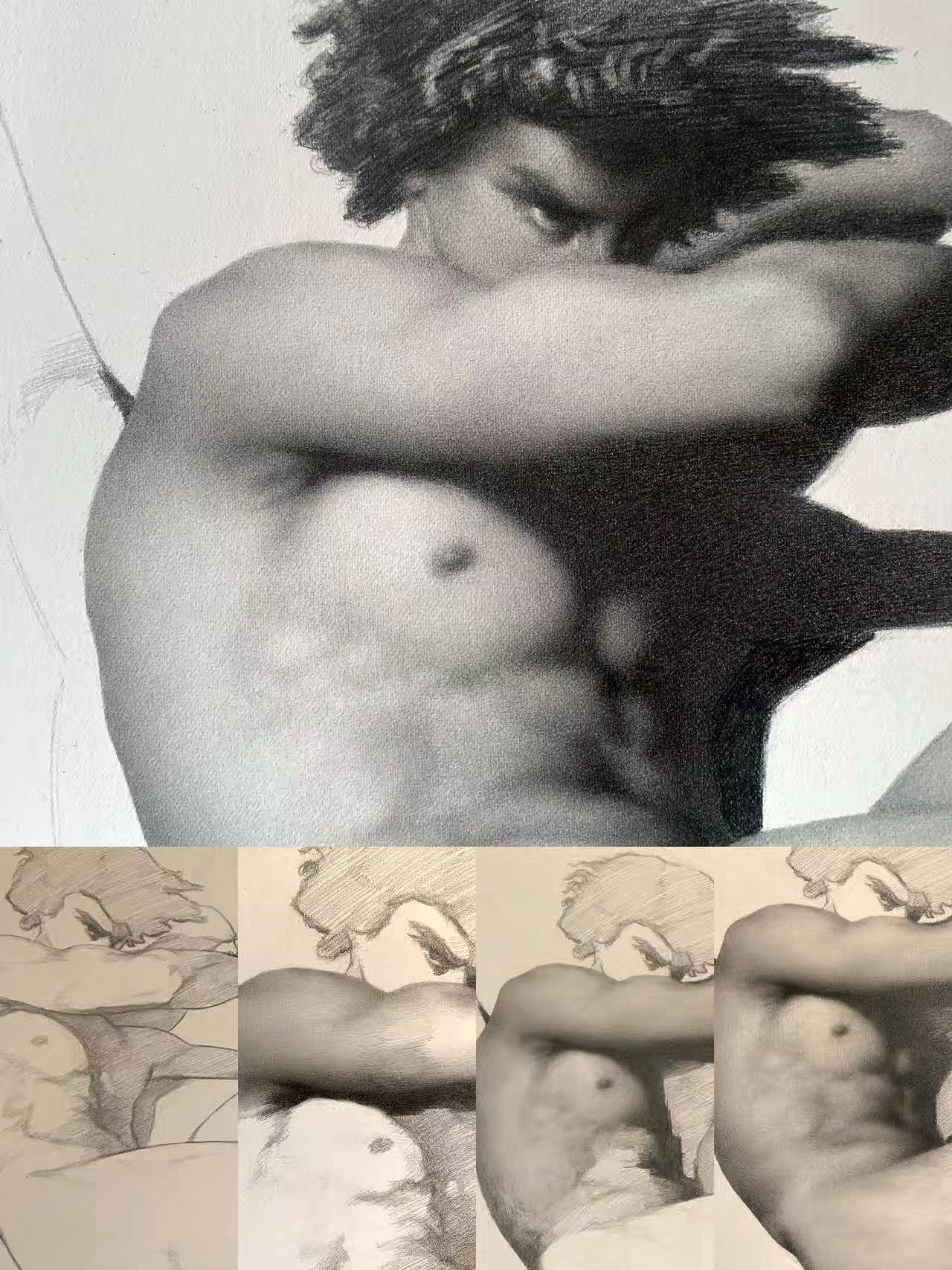
After Bargue drawing, students usually continue with Figure Drawing, or move into oil painting with Glazing Portraiture or Alla Prima. You do not need to take all five classes; choose the path that suits you. My guide to the sight-size method explains one of the core ideas in more depth.
How to join
Dates for each new session are announced by email. Request session details on the online classes page to hear first; there is no booking or payment required to inquire. If you are coming to Florence, you can also study in person in private lessons at the studio.